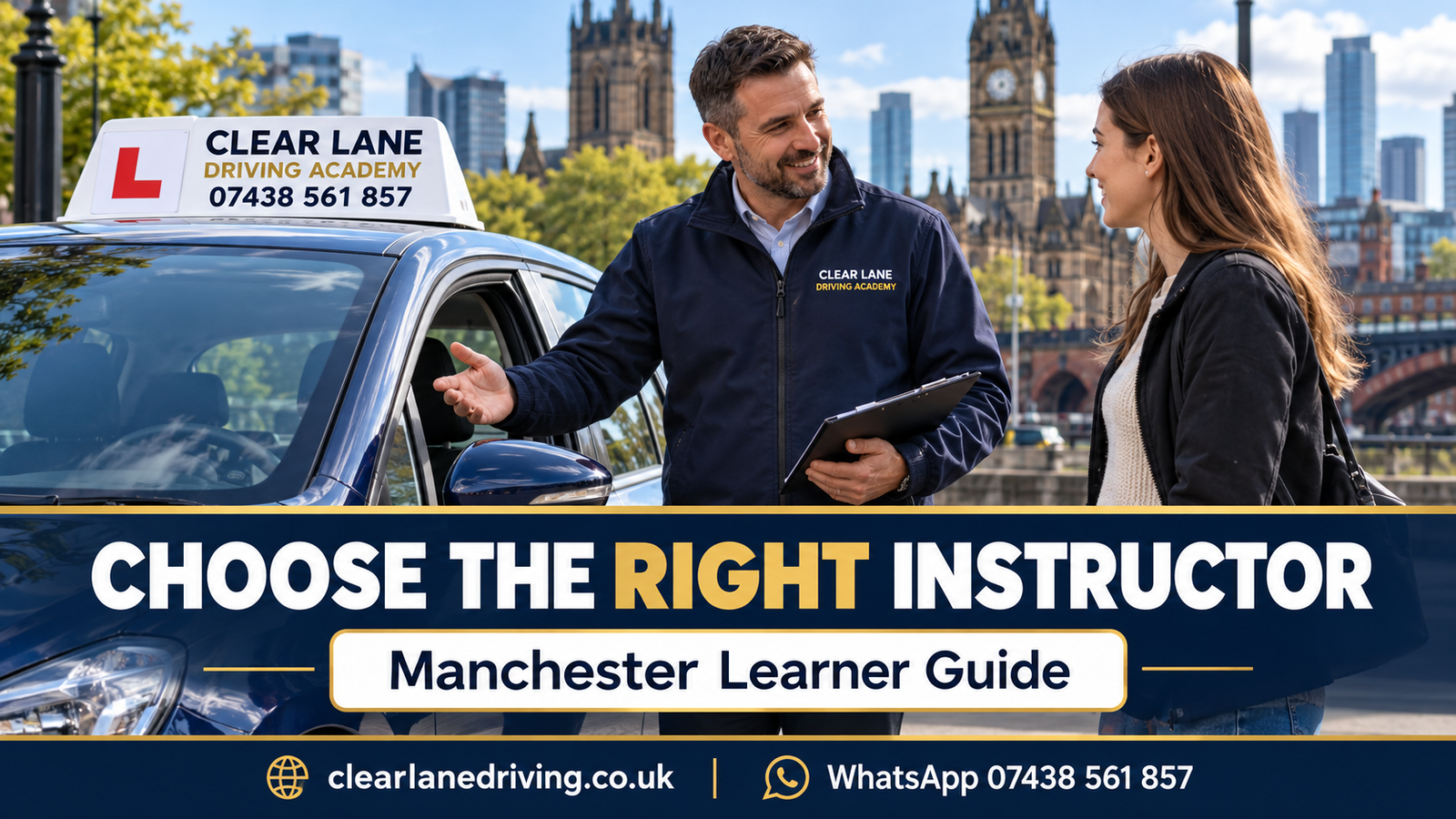
The first ten minutes of a driving lesson can tell you a great deal. Do you feel listened to? Does the instructor explain what will happen before asking you to do it? Are you calm enough to take in the advice? Knowing how to choose a driving instructor is not just about finding someone with availability. It is about finding a professional who can help you make steady, safe progress behind the wheel.
For some learners, the priority is starting from zero without feeling rushed. For others, it is rebuilding confidence after a previous test fail, preparing for a test date, or completing an intensive course around work and family life. The right instructor will recognise your starting point and create a plan that fits it.
Start with the right professional credentials
A driving instructor should be approved by the Driver and Vehicle Standards Agency (DVSA). Approved Driving Instructors, usually known as ADIs, have completed the required qualification process and are licensed to give paid driving tuition.
You may also see a Potential Driving Instructor (PDI). A PDI is still in training and may teach learners while working towards full qualification, provided they hold the appropriate trainee licence. This does not automatically mean the tuition will be poor, but it is reasonable to ask about their experience, the support they receive and how lessons are structured.
Credentials matter because safe teaching involves more than knowing how to drive. A good instructor understands how learners develop, how to spot gaps in understanding and how to coach someone through busy traffic, roundabouts, manoeuvres and independent driving without taking over every decision.
Choose a teaching style that suits you
People learn differently. Some need clear, calm instructions at the beginning of every new skill. Others are ready to talk through their own decisions and reflect on what worked. The best instructors adapt their approach as your confidence grows.
During your first call or message, pay attention to how the instructor communicates. Do they answer your questions clearly? Do they ask about your previous experience, availability and goals? Can they explain whether manual or automatic lessons may suit you? Professional communication before the first lesson is often a good sign of what to expect afterwards.
A confident instructor is not someone who talks constantly or makes every decision for you. They should give you enough guidance to stay safe, then help you understand why a choice was right or what you could do differently next time. That is how driving skills become independent habits rather than a set of instructions to follow only on test day.
Nervous learners need calm, not pressure
If you feel anxious about driving, say so early. A suitable instructor will not dismiss nerves or push you into situations before you are ready. Equally, they should not keep you on easy roads for longer than necessary. Good coaching balances reassurance with gradual challenge.
You might begin in a quieter area, practise one skill at a time and build towards more complex routes when you are ready. The goal is not to avoid every uncomfortable moment. It is to gain the tools to handle them safely.
Ask how lessons are planned and reviewed
Lessons should have a purpose. You do not need a rigid script every time, but you should know what you are working on and why. One lesson may focus on moving off and stopping safely; another may develop approach speed and observations at roundabouts. As you progress, those skills should be brought together in more realistic driving.
Ask a prospective instructor how they track progress. Many learners benefit from a clear record of strengths, areas to improve and agreed goals for the next lesson. This is especially useful if you are taking an intensive course, returning after a break or working towards a practical test date.
A structured approach also makes the financial side clearer. Your instructor should be honest about the number of hours you may need, while recognising that nobody can reliably predict an exact total at the beginning. Learning time depends on experience, confidence, practise between lessons and how quickly you absorb new skills.
Be cautious of anyone who gives a fixed promise of a pass after a certain number of hours. A responsible instructor can help you prepare thoroughly, but passing depends on your driving on the day and the standards required by the examiner.
Make sure the car and lesson format work for you
The choice between manual and automatic is personal. Automatic lessons can allow some learners to concentrate sooner on steering, planning and road awareness because there is no clutch or gear selection to manage. Manual lessons give you a manual licence if you pass and may suit learners who want that flexibility.
Neither route is a shortcut around safe driving. Both require strong observations, good judgement and control. Discuss your needs honestly, particularly if you have had difficult experiences with clutch control, need to progress quickly for a practical reason or simply feel more comfortable in one type of car.
It is also worth asking about the tuition vehicle. It should be clean, well maintained and fitted with dual controls. You should feel comfortable in the driving position and be able to reach the pedals and see properly through the mirrors. If you are particularly tall, petite or have an accessibility requirement, raise this before booking.
Consider local test preparation without teaching to a route
Local knowledge can be valuable when you are approaching test standard. An instructor familiar with Manchester test centres such as Chadderton, Cheetham Hill, Sale or West Didsbury will understand the types of roads and traffic conditions you may encounter nearby.
However, preparation should never be limited to memorising a few roads. Test routes can change, and safe drivers need to deal with unfamiliar situations. The real benefit of local experience is that your instructor can help you practise the skills commonly needed in the area: safe lane discipline on larger junctions, meeting traffic on narrower roads, reading signs early and adapting to changing conditions.
Mock driving tests are often helpful near the end of training. They can reveal whether you manage nerves, follow directions and make safe decisions without regular prompts. A useful mock test includes calm feedback afterwards, with clear priorities for your remaining lessons.
Questions worth asking before you book
You do not need to interrogate an instructor, but a few direct questions can prevent misunderstandings later. Ask about availability, lesson length, cancellation arrangements and whether the same instructor will teach you throughout. If you have a theory test or practical test booked, explain the date and ask for an honest view of whether your timeline is realistic.
It is also sensible to ask:
- whether they teach manual, automatic or both;
- how they plan lessons for beginners, nervous drivers or test-ready learners;
- how progress is reviewed between lessons;
- whether they offer mock tests or test-day car hire where appropriate; and
- what they expect from you between lessons, including private practice if you have access to a suitable supervising driver.
The answers should feel straightforward, not sales-led. A professional instructor will be happy to explain their process and may tell you if a different lesson format would better suit your circumstances.
Do not ignore reliability and professional boundaries
Driving tuition works best when there is consistency. Repeated late cancellations, unclear pricing, rushed lessons or changes to agreed arrangements can disrupt your progress and reduce trust. Nobody can control every unexpected event, but a good instructor communicates promptly and handles changes fairly.
You should also feel respected at all times. Feedback can be direct without being humiliating. Mistakes are a normal part of learning, particularly when you are developing new habits under pressure. The right instructor corrects them clearly, keeps the lesson safe and helps you leave knowing what to practise next.
Reviews can offer useful context, especially when they mention patience, clear explanations, reliability and progress over time. Read them as part of the picture rather than the only deciding factor. A short conversation and a first lesson will usually tell you more about whether the partnership feels right.
How to choose a driving instructor for faster progress
Fast progress does not mean being rushed. It means using lesson time well, revisiting skills before they become weak points and practising in conditions that match your current ability. If you need to learn around a deadline, ask about intensive driving courses, but be realistic about how much information you can absorb each day.
An intensive course can work well for learners with flexible time, a clear goal and the energy to concentrate. Weekly lessons may suit someone who needs more time to reflect, practise or manage a busy routine. There is no single best format – the right one is the format that lets you learn consistently and safely.
At Clear Lane Driving Academy, the focus is on structured coaching, honest advice and practical preparation for the roads you will drive every day, not just the test. Choose an instructor who gives you that same sense of clarity. When you feel safe to ask questions, understand your next step and can see real improvement, confidence has room to grow.
Clear Lane Driving Academy covers Manchester, Oldham and the surrounding towns. Whether you need driving lessons in Bury, lessons in Failsworth, automatic lessons, or an intensive crash course, our DVSA-approved instructors are ready to help.
Looking for driving lessons in Oldham specifically? Clear Lane covers Oldham, Chadderton and surrounding areas with DVSA-approved local instructors.