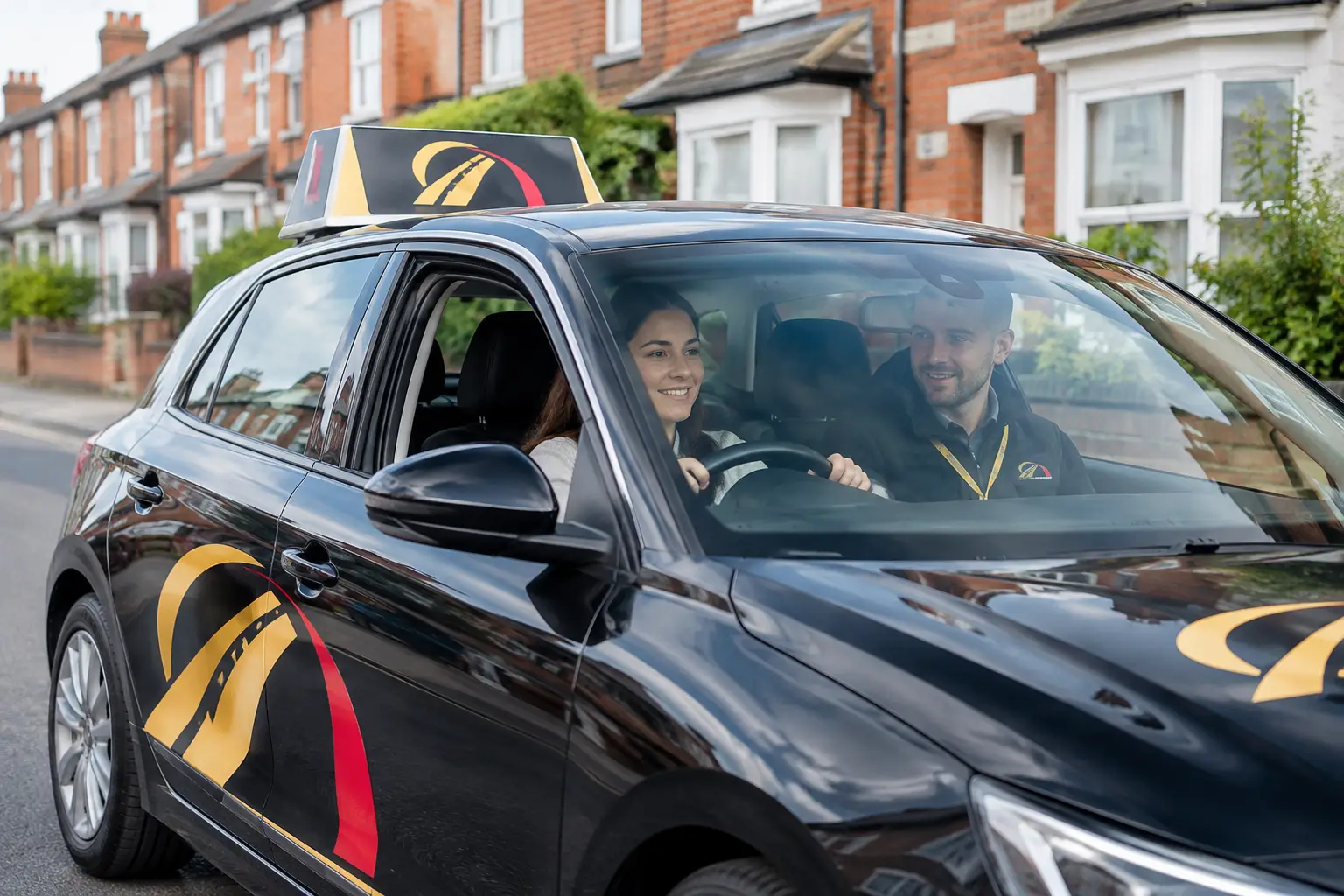
A good driving lesson should not leave you wondering what you have achieved or whether you are ready for the next step. Good driving tuition gives you a clear focus, calm guidance and enough time to understand not just what to do, but why you are doing it. That matters whether you are starting from scratch, returning after a break or preparing for another practical test.
Passing is an important goal, but it is not the only one. The skills that help you pass – careful observations, sound judgement, controlled manoeuvres and safe decisions under pressure – are the same skills that make everyday driving feel manageable after the test.
Driving tuition should follow a clear plan
Random lessons can feel busy without creating real progress. One week you may practise roundabouts, the next a few manoeuvres, then perhaps a mock test, but without knowing how each part fits together. Structured tuition is different. Your instructor assesses your starting point, identifies the areas that need attention and builds lessons around realistic next steps.
For a complete beginner, that often starts with cockpit drill, moving off and stopping safely, steering control, gears in a manual car and basic road positioning. As confidence grows, the focus moves to junctions, meeting traffic, roundabouts, dual carriageways and independent driving. The pace should reflect how you are coping, rather than following a fixed script.
If you already have experience, the plan may look very different. Perhaps your clutch control is secure but your observations at busy junctions need work. Perhaps you drive confidently on familiar roads but lose concentration when following a sat nav. Targeted lessons prevent you from spending time repeating skills you can already demonstrate consistently.
A helpful instructor will explain the purpose of each lesson at the beginning and review it at the end. You should leave knowing what went well, what needs more practice and what to work on before your next session. Progress records are useful here, especially when a learner is working towards a test date.
Calm coaching builds confidence behind the wheel
Nerves are not a sign that you cannot learn to drive. They are common, particularly when traffic is heavy, other road users are impatient or a previous lesson or test has knocked your confidence. The right environment makes a genuine difference.
Calm coaching does not mean avoiding challenging roads forever. It means being introduced to them at the right time, with clear instructions and enough support to process what is happening. A patient instructor may talk a learner through a busy multilane roundabout before gradually reducing prompts as their planning improves.
Mistakes should be dealt with constructively. A stalled engine, a missed turn or an awkward approach to a junction is information, not a reason to panic. Talk through what happened, make the correction where safe, then have another go. This approach helps learners develop resilience rather than becoming dependent on constant instruction.
It is also reasonable to say when something is not working for you. Some learners benefit from diagrams and simple explanations before moving off. Others learn best by practising a situation several times. Good driving tuition adapts the coaching style while keeping safety and progress at the centre.
Manual or automatic lessons: choose for the right reason
The choice between manual and automatic is personal. Manual lessons can give you more licence flexibility, but they require learners to coordinate clutch, gears and road awareness at the same time. For some, that becomes natural with practice. For others, it takes attention away from reading the road.
Automatic lessons remove the need to manage gears and a clutch, which can help learners focus sooner on observations, positioning and decision-making. They can be a sensible option for nervous drivers, people learning around a demanding schedule or anyone who simply prefers the experience. The trade-off is that an automatic-only licence restricts you to automatic vehicles unless you later pass a manual test.
Neither route is inherently better. The useful question is which one will allow you to learn safely, consistently and with confidence.
Practise real driving, not only test exercises
Test preparation matters, but lessons should prepare you for everyday roads as well. That includes reading road signs early, choosing a safe following distance, dealing with pedestrians near crossings and making sensible decisions when conditions change.
In Greater Manchester, that might mean learning to manage busy urban junctions, parked cars on narrower residential roads, changing speed limits and complex roundabouts. Familiarity with local test-centre areas can be valuable, especially near Chadderton, Cheetham Hill or Rochdale, but route knowledge should never replace sound driving judgement. Test routes change, traffic changes and examiners will assess how you respond safely to what is in front of you.
A strong lesson includes reflection. Instead of only hearing that a decision was right or wrong, ask yourself: what did I see, what did I expect to happen and what was my safest option? This is how learners move from following instructions to driving independently.
Mock tests are most useful when followed by coaching
A mock driving test can show whether you are ready for the pressure and flow of the real thing. It can highlight repeated faults, such as late observations before moving off, inconsistent speed control or hesitation that affects other road users. It can also reveal whether nerves change the way you drive.
However, a mock test is only useful if it leads to practical improvement. Afterward, you need a calm debrief: which faults were serious, which were minor, what pattern sits behind them and how will you practise the correction? One difficult mock test does not automatically mean you are not ready. Equally, one clean drive does not mean every skill is secure. Look for consistency across different roads, times and traffic conditions.
When intensive driving tuition can help
An intensive course can be an effective option for learners who have a realistic amount of prior experience, can set aside focused time and have a practical test planned or expected soon. Learning frequently can reduce the time spent recapping previous lessons and help skills stay fresh.
That said, intensive learning is not automatically right for everyone. Complete beginners may still benefit from a fast-track approach, but they need enough time to absorb new information without becoming overloaded. Nervous learners may progress better through a blend of longer sessions and regular breaks. Honest advice should come before a course is chosen.
The quality of the plan matters more than the label. A worthwhile intensive course assesses your current standard, identifies the required hours and builds in time for difficult areas, mock-test practice and independent driving. It should never be treated as a shortcut around safe learning.
How to make the most of each lesson
You do not need to arrive knowing everything, but a little preparation makes lessons more productive. Read your previous lesson notes, think about any situation that felt difficult and tell your instructor at the start. If you have watched driving content online, use it as a prompt for questions rather than assuming it applies perfectly to every road situation.
Between lessons, revision can help. Review road signs, the Highway Code principles relevant to your stage and the steps for manoeuvres or junction routines. If you practise privately, only do so when properly insured, supervised by someone legally eligible and in a suitable vehicle. Private practice works best when it reinforces what you have already been taught, not when it introduces confusing habits.
On the day of a lesson or test, aim for a clear head. Give yourself time to arrive, wear comfortable footwear and let your instructor know if you feel unusually anxious. The goal is not to drive perfectly. It is to make safe, considered decisions and recover sensibly if something does not go to plan.
Choosing an instructor who supports your goals
The best fit is not simply the instructor with the earliest availability. Look for professional communication, a clear approach to lesson planning and someone who can explain how they will help you progress. Ask how they assess your current level, how feedback is given and how test preparation is handled.
For learners in Oldham and across Greater Manchester, Clear Lane Driving Academy focuses on structured coaching, realistic progress and confident preparation for the road ahead. Whether you choose weekly lessons, an intensive route or final test support, you should feel informed rather than pressured.
Driving is a skill you keep developing long after the examiner asks you to pull up on the left. Choose tuition that gives you the confidence to pass safely, then the judgement to keep driving well when you are on your own.