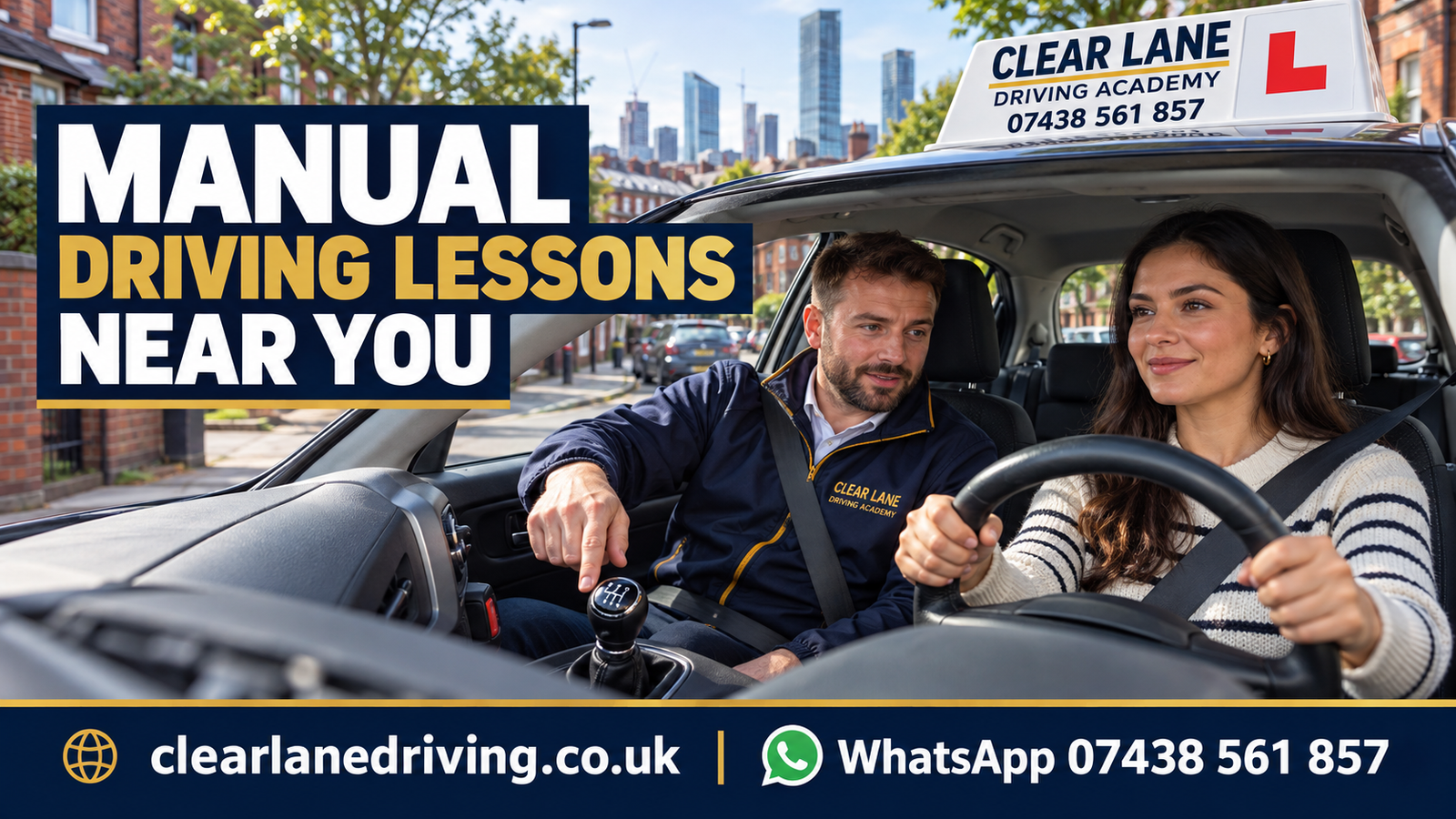
If you have typed manual transmission driving lessons near me into a search bar, you are probably not looking for vague advice. You want a local instructor who can teach you properly, help you make steady progress, and prepare you for real roads rather than just ticking boxes. That matters even more with manual driving, because learning gears, clutch control and road awareness at the same time can feel like a lot in the first few lessons.
The good news is that manual driving does get easier when it is taught in the right order. A calm, structured approach helps you understand what the car is doing, why it matters, and how to build confidence without rushing. For many learners, that is the difference between feeling overwhelmed and feeling in control.
What to look for in manual transmission driving lessons near me
When people search locally, they often focus on availability first. That is understandable, especially if you want to pass quickly or need lessons around work, college or family life. Still, the nearest option is not always the best one.
With manual lessons, quality of teaching has a big effect on how quickly you improve. A good instructor should explain clutch control clearly, break each skill into manageable steps, and help you deal with common sticking points such as stalling, hill starts and moving off smoothly in traffic. You should know what you are working on and why.
It also helps to choose someone who understands the local test area if your aim is to get test-ready. Busy roundabouts, multi-lane roads, tricky junctions and local speed limit changes can all catch learners out. If your lessons include realistic preparation on the kinds of roads you are likely to face on test day, your practice becomes more useful.
A professional driving school should also be honest about pace. Some learners pick up manual quickly. Others need more time with gear changes and clutch balance. Neither is a problem. What matters is having a plan that matches your current level instead of putting pressure on you to progress before you are ready.
Why manual lessons still make sense
Automatic cars are becoming more popular, and for some learners they are absolutely the right choice. But manual lessons still suit plenty of people, especially if they want more flexibility after passing.
A manual licence allows you to drive both manual and automatic cars. That can give you more options when buying a first car, borrowing a family vehicle or applying for work that involves driving. For some learners, that extra flexibility is worth the added challenge during training.
There is also a confidence benefit. Learning to manage gears well can make you feel more connected to the car and more aware of speed, control and road position. That does not mean manual is better for everyone. It simply means that if you are prepared to learn it properly, it can be a strong long-term option.
The trade-off is clear. Manual usually asks more from you in the early stages. Junctions, traffic and hill starts can feel busier because you are balancing vehicle control and observation together. With patient coaching, though, those tasks stop feeling separate and start becoming one smooth routine.
The first few manual driving lessons
Most beginners worry about stalling. It is one of the most common concerns, and it is also one of the most normal parts of learning. In a well-structured lesson, you will not be expected to master everything at once.
You would usually begin with the basics of moving off, stopping safely, clutch control and selecting gears. Once those foundations start to settle, your instructor can build towards steering accurately, approaching junctions properly, and dealing with changing road conditions. The aim is not to throw you into difficult situations too early. The aim is to build control step by step.
For nervous learners, that structure is especially important. Confidence does not come from being told to relax. It comes from understanding the process, practising it enough times, and seeing yourself improve. Small wins matter. A smooth move-off, a tidy stop, or a clean gear change can do a lot for your mindset.
If you have had lessons before and stopped, you may also need a reset rather than a fresh start. Many returning learners know more than they think but have picked up hesitation, inconsistency or bad habits. Clear coaching can help you rebuild those areas without making you feel like you are back at square one.
How to choose the right local instructor
When comparing manual transmission driving lessons near me, look beyond price and look at fit. You need an instructor whose teaching style helps you stay focused and absorb information properly.
A calm instructor is particularly valuable if you are anxious, have failed a test before, or tend to lose confidence after mistakes. Manual lessons involve plenty of correction in the beginning, but correction should feel constructive, not critical. You should come away understanding what happened and how to improve it next time.
Lesson structure matters too. Random driving with no clear goals can slow progress. A stronger approach is to build each lesson around specific outcomes, then review what went well and what still needs work. That keeps your learning organised and makes it easier to see your development over time.
Local knowledge adds practical value as well. In Manchester and surrounding areas, road layouts can vary a lot between quieter residential streets and busier test routes. Learners often benefit from gradually moving between those environments rather than jumping straight into the most demanding roads. A local instructor can make those decisions based on your level rather than guesswork.
Intensive or weekly lessons?
This is one of the most common questions, and the honest answer is that it depends on your availability, confidence and previous experience.
Weekly lessons suit learners who prefer a steady pace and time to reflect between sessions. They can work very well for complete beginners, especially if nerves are a factor. Regular practice helps skills settle naturally, and some learners simply learn better with more time to process each stage.
Intensive lessons can be a strong option if you need faster progress, already have some experience, or want to prepare for a practical test in a shorter timeframe. The benefit is continuity. When you drive more often, you spend less time re-covering old ground. That can be especially helpful with manual skills like gear selection and clutch control, which improve through repetition.
The balance to strike is realism. Intensive learning can move things along, but only if the training is structured sensibly and matched to your current standard. Rushing without solid foundations usually creates more stress than progress. A good instructor will tell you honestly what pace makes sense.
Getting test-ready in a manual car
Passing the test is not just about learning how to operate a manual vehicle. It is about showing consistent, safe decision-making while staying in control of the car. That means your preparation should include more than basic driving routines.
As you get closer to test standard, lessons should focus on independent driving, meeting signs early, choosing the correct lane, handling roundabouts calmly, and dealing with pressure when something changes unexpectedly. Manual learners also need to show that gear use is appropriate and that the car remains under control during manoeuvres, traffic build-up and hill starts.
Mock driving tests can help here because they show what happens when the pressure is on. Many learners drive reasonably well in a normal lesson but make avoidable mistakes when they feel watched. A realistic mock test helps you practise that pressure in a useful way, with feedback afterwards that is specific and practical.
If your test is booked at a local centre, route awareness can also make a real difference. You do not need to memorise every road, but you do benefit from understanding the kind of junctions, speed changes and road markings commonly found in your area. Learners around Greater Manchester often face a good mix of urban traffic, roundabouts and complex lane positioning, so local preparation is worth having.
Signs your manual lessons are working
Progress in manual driving is not always dramatic from one lesson to the next. Often it shows up in quieter ways. You stop looking down at the gear stick. You set off with less hesitation. You recover from mistakes more calmly. You approach roundabouts with a clearer plan.
That kind of progress matters because it shows your workload is reducing. The more natural the controls become, the more attention you can give to what is happening around you. That is when driving starts to feel less like a list of tasks and more like a skill you can trust.
At Clear Lane Driving Academy, that is the goal of manual coaching – calm, structured progress that helps learners become safer, more confident and genuinely ready for the road, not just the test.
If you are searching for local manual lessons, take your time choosing the right support. The right instructor will not just help you change gears. They will help you think clearly, build confidence properly, and move forward at a pace that makes sense for you.